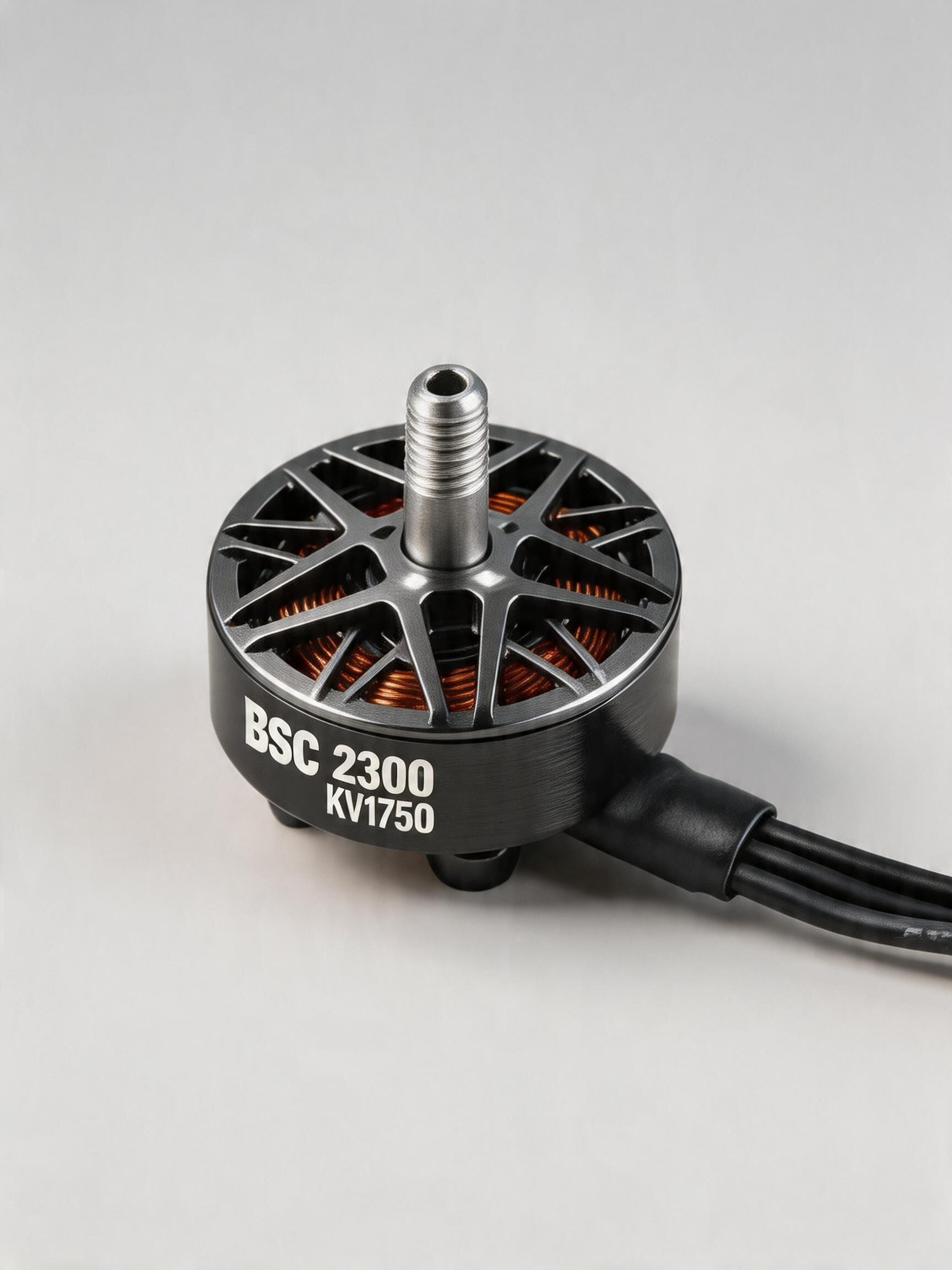
The drone industry is no longer just about quadcopters. A new wave of specialized air systems — built around FPV Drone Parts, High Speed Rocket Machine propulsion, and Hanging Fixed-wing Drone configurations — is rapidly gaining traction among industrial, defense, and research users.
One of the most significant shifts is the integration of Drone Launcher technology into routine operations. Whether vehicle-mounted or portable, these launchers enable zero-runway takeoff for platforms ranging from small scouts to the Large Payload Unmanned Aerial Vehicle. By using pneumatic or electromagnetic rails, operators can safely deploy heavy-lift drones weighing over 25 kg without requiring prepared airstrips — a game-changer for maritime, mountainous, and forward-base logistics.
At the same time, the High Speed Rocket Machine is carving out its own niche in rapid response and aerial target applications. Unlike conventional electric ducted fans, rocket-powered airframes achieve sustained supersonic or near-supersonic speeds, demanding equally robust FPV Drone Flight Control systems. Modern FPV flight controllers now feature dedicated rocket-mode profiles, with specific handling for thrust curve nonlinearity and high-dynamic pressure flight phases.
Complementing these extreme-speed platforms is the Hanging Fixed-wing Drone, which takes a radically different approach to modularity. Instead of integrating payloads inside a fuselage, this design suspends mission equipment — including cameras, communication relays, or even deployable sub-drones — underneath a high-efficiency fixed-wing airframe. When equipped with premium FPV Drone Parts such as long-range video links and precision GPS modules, the hanging fixed-wing drone delivers exceptional endurance and field-swappable functionality.
Under the hood, the glue holding these diverse platforms together is the rapid maturation of FPV Drone Flight Control hardware and software. Today's flight controllers support dynamic vehicle-type switching, allowing a single unit to be reconfigured for a High Speed Rocket Machine, a Large Payload Unmanned Aerial Vehicle, or a Hanging Fixed-wing Drone simply by loading a different firmware target. Paired with standard FPV Drone Parts like ESCs, motors, and telemetry radios, this interoperability lowers the barrier to entry for novel airframe designs.
Real-world deployments are already validating this ecosystem. In a recent cross-industry demonstration, a Drone Launcher catapulted a High Speed Rocket Machine to transonic velocity within 0.8 seconds, while a Large Payload Unmanned Aerial Vehicle simultaneously lifted a Hanging Fixed-wing Drone as a secondary observer. Both platforms shared the same FPV Drone Flight Control reference design and many common FPV Drone Parts, proving the feasibility of modular, multi-role fleets.
Looking ahead, suppliers who can provide integrated kits — combining FPV Drone Parts, FPV Drone Flight Control, Drone Launcher, High Speed Rocket Machine, Large Payload Unmanned Aerial Vehicle, and Hanging Fixed-wing Drone elements — are expected to capture growing demand from government and commercial buyers. As performance boundaries expand, the only constant is the underlying open architecture that makes this diversity possible.
For engineers, operators, and procurement specialists, the takeaway is clear: the future of unmanned flight is heterogeneous, launcher-enabled, and powered by the same versatile FPV Drone Parts and FPV Drone Flight Control ecosystem that started in the racing community — now scaled to extreme speed, heavy lift, and long-endurance missions.