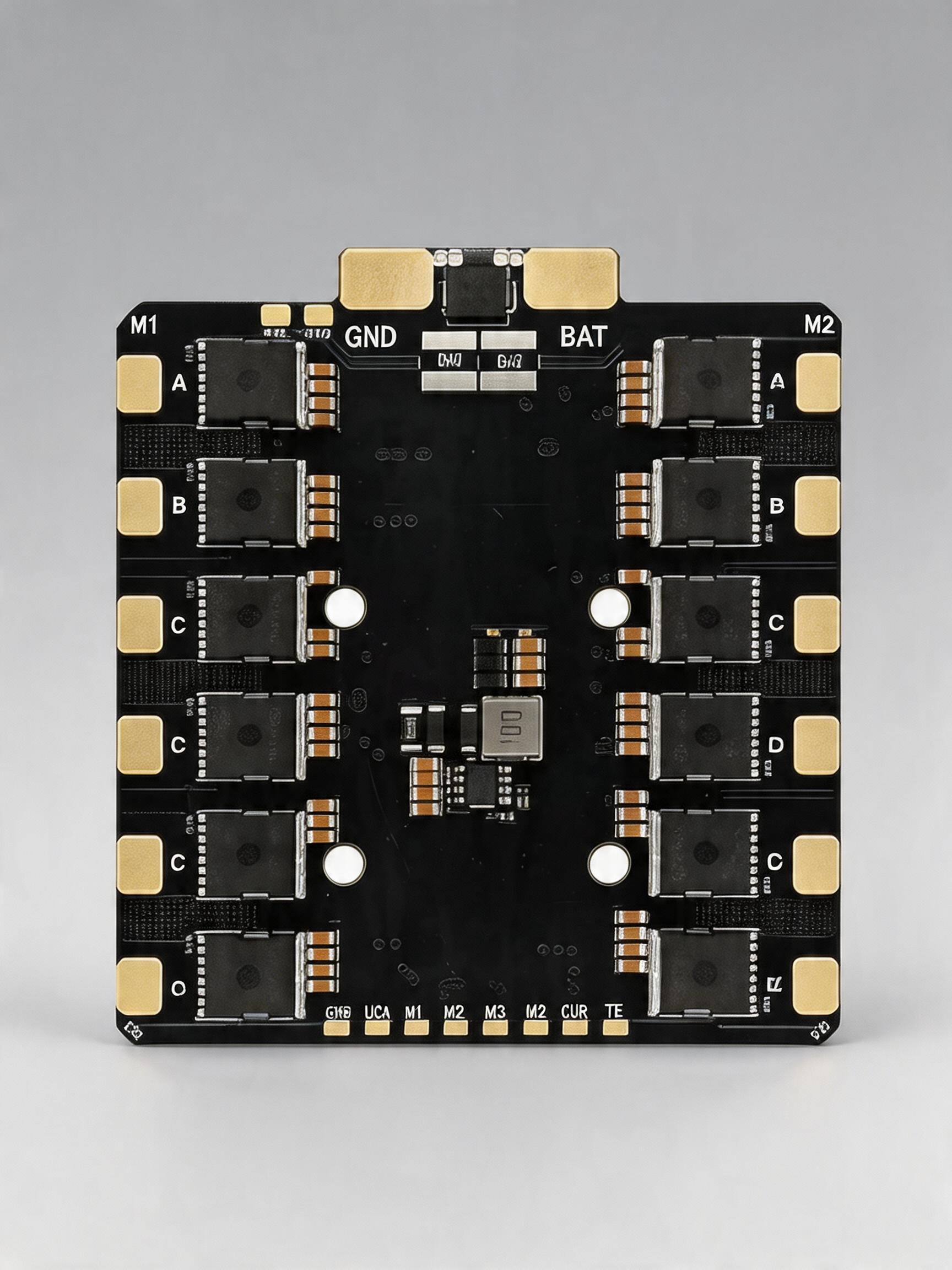
A fundamental shift is underway in the unmanned systems supply chain. As operators move beyond standard multirotors, demand is surging for FPV Drone Parts tailored to unconventional airframes — specifically the High Speed Rocket Machine, the Large Payload Unmanned Aerial Vehicle, and the Hanging Fixed-wing Drone.
The High Speed Rocket Machine represents the most extreme end of the performance spectrum. Unlike propeller-driven platforms, rocket-powered airframes generate thrust through chemical propulsion, achieving speeds that push airframes and electronics to their limits. This has forced a redesign of FPV Drone Flight Control systems: modern controllers now incorporate vibration-damping mounts, high-G-rated components, and specialized filtering algorithms to handle the intense acceleration and deceleration phases unique to rocket flight.
But speed without control is useless. Enter the Drone Launcher — a category that has rapidly evolved from experimental apparatus to off-the-shelf product. Current-generation drone launchers use compressed gas, elastic cords, or electromagnetic rails to accelerate a drone from zero to flight speed in under one second. For the Large Payload Unmanned Aerial Vehicle, which typically struggles with vertical takeoff efficiency, a drone launcher cuts energy consumption during launch by up to 70%, preserving battery power for mission endurance rather than climb-out.
Meanwhile, the Hanging Fixed-wing Drone offers a third path: long endurance with instant payload flexibility. By suspending mission gear beneath the wing rather than inside a cramped fuselage, this design allows operators to swap between cargo pods, sensor suites, or even small deployable drones in minutes. The success of this configuration depends heavily on reliable FPV Drone Parts — particularly redundant power distribution boards, long-range digital video links, and high-precision airspeed sensors — all managed by a responsive FPV Drone Flight Control unit.
What ties these diverse platforms together is the growing ecosystem of modular FPV Drone Parts. Leading suppliers now offer "build-your-own" kits that include everything from motors and ESCs to GPS modules and OSD units, explicitly supporting non-standard layouts such as rocket bodies and hanging wing structures. Combined with open-source FPV Drone Flight Control firmware (ArduPilot, PX4, and Betaflight), these parts enable rapid prototyping of hybrid designs that would have required custom engineering just two years ago.
Recent market data confirms the trend. Orders for Drone Launcher systems have tripled year-over-year, while search queries for Hanging Fixed-wing Drone plans and High Speed Rocket Machine components have surged on engineering forums. Notably, the Large Payload Unmanned Aerial Vehicle segment — once dominated by helicopter-style platforms — is seeing increasing competition from launcher-assisted fixed-wing and rocket-hybrid designs.
Industry experts point to a coming standardization phase. Within 18 months, we can expect to see pre-configured FPV Drone Flight Control profiles specifically for rocket-powered flight, commercially available Drone Launcher units with adjustable rail lengths for Large Payload Unmanned Aerial Vehicle compatibility, and off-the-shelf FPV Drone Parts bundles labeled for Hanging Fixed-wing Drone builds.
For manufacturers, the message is clear: diversify your FPV Drone Parts catalog, optimize your FPV Drone Flight Control firmware for extreme flight envelopes, develop or partner on Drone Launcher solutions, and support the High Speed Rocket Machine, Large Payload Unmanned Aerial Vehicle, and Hanging Fixed-wing Drone segments. The companies that move first will define the next generation of unmanned flight.